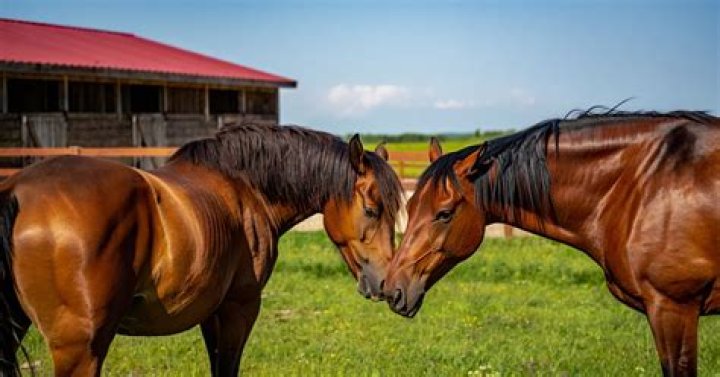
Cows lick each other around the head and neck to show affection and maintain complex social networks. Cows lick each other around the head and neck to show affection and help forge strong friendships, a new study reveals.
Why do cows lick their owners?
In cattle, social licking contributes to building and maintaining social affiliative relationships, characterized by spatial proximity between individual cows, increased tolerance, socio-positive interactions and social support in conflicts or challenging situations (Sambraus, 1969; Sato, 1984).Do cows like human affection?
Cows love to be petted, stroked, and scratched behind the ears. They are very loving and welcome interactions with kind people.Do cows give kisses?
2. They Love to Give Kisses. While cows can be rather particular about who they do and don't like. Once you've been socially accepted into the circle, don't be surprised if your welcome gift is a lick on the face.Why do cows stare at you?
Cows stare to get attention, recognize, express love and appreciation, search for food, and to keep an eye on predators. These were some good reasons why this poor animal stare, they can stare to attack(if the human pose a threat to the calf or cow herself) as well.Understanding Cowlicks
How do you talk to cows?
Be polite, let the cow make the first move. 2) “I don't want to talk.” Some cows want to socialize, some don't. If you've said, “Hello,” and the cow swings her head at you as if she was brushing you off, leave her alone. She doesn't want to talk right then so say hello to another cow.Should you look a cow in the eye?
Move slowly but assertively forward, don't run or look them in the eye. If cows get too close turn to face them, stretch your arms to the side and say “GO ON BY!” firmly and confidently. You can also give them a firm but gentle shove if they are crowding. Always have an exit route.Do cows lick to show affection?
Cows lick each other around the head and neck to show affection and maintain complex social networks. Cows lick each other around the head and neck to show affection and help forge strong friendships, a new study reveals.How do you bond with a cow?
The best (and easiest) way to handle cattle is to have them accustomed to you, so they can calm trust you rather than being afraid (you are not a threat to them, as a predator would be) yet submissive to your bidding. You don't want them to be such pets that they think they can dominate you.How do cows show they love you?
Cows show their affection to humans by following them around, grooming them with their tongues, communicating with moos and lowing, allowing people to get close to pet them and cuddle them, and even playing with toys and people.Do cows like to be hugged?
“Spending time with large animals like cows, it's one of the ways that you can do that,” she said. She added that the cows also enjoy the hugs. “You cannot hug your friends, you cannot hug your grandkids.How do you know when a cow is mad?
The direct threat is head-on with head lowered and shoulders hunched and neck curved to the side toward the potential object of the aggression (Photo 2). Pawing with the forefeet, sending dirt flying behind or over the back, as well as rubbing or horning the ground are often components of the threat display (Photo 3).Do cows like to be patted?
Farm cows and show cows are used to being around people and form a strong social connection with the farmers. They love being petted and act more like a friendly dog than a wild animal.Do cows get jealous?
Moo-ving truth about cows: They feel grief, compassion and jealousy just like us.How do you make a cow happy?
By keeping them happy, they're also more likely to be healthy and healthy animals produce more for their farm or ranch.
- Always Have Water Available. Cattle often struggle to get enough water during the winter. ...
- Keep Cattle Well Fed. ...
- Provide Proper Shelter. ...
- Avoid Mud. ...
- Assist Pregnant Cattle. ...
- Keep Cattle Comfortable.
How do you calm a cow?
Sounds of people yelling and/or whistling have been proven to raise heart rates for cattle more than the sound of gates clanging or other equipment noises. Using low pitched sounds helps induce calm. Cattle, as well as horses and other grazing animals, point their ears toward things that concern them.Are cows obedient?
Cows are obedient.They come when called. They obey voice commands akin to a dog. Sir Baby, my bull, comes up to me and rests his forehead against my leg when he wants a nice scratch. This is our “thing,” this is what we do.